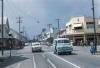
? A LOVELY DAY FOR CRICKET
Bourda Cricket Ground - Georgetown, British Guiana, circa 1960
Colorized
______________________________________________
There was hardly a lovelier sight in old Georgetown than a cricket day at Bourda, when the wooden stands filled early and the whole ground seemed to come alive with the unmistakable rhythm of British Guiana. Sitting among the greenheart benches in the 1960s was far more than watching eleven men with bat and ball; it was stepping into one of the great social theatres of the colony, where cricket brought together people from every corner of society and turned an ordinary Saturday into an occasion to remember. British Guiana was still a colony then, but the spirit of the nation that would become Guyana in 1966 was already beating strongly beneath the sound of leather striking willow and thousands of excited voices.
*
Bourda was wonderfully close to the action, with its old wooden stands bringing spectators almost within touching distance of the boundary. There were no enormous modern tiers separating the crowd from the players, and when a great batsman walked toward the crease, the spectators could see his every movement and feel the tension building around him. The names themselves carried magic: Rohan Kanhai, with his fearless batting; Lance Gibbs, spinning the ball with remarkable control; Basil Butcher, elegant and composed; Joe Solomon, remembered forever for his part in the famous 1960 tied Test; and, beginning his Test career in 1966, a powerful young Clive Lloyd, who would eventually become one of the greatest captains in West Indies cricket.
*
Getting into Bourda for a big match could itself become part of the adventure, because serious cricket lovers were known to arrive in the early morning to secure a good place in the stands. Once the wooden benches filled, neighbors became companions, strangers became friends, and everybody suddenly seemed to have an opinion about the bowler, the batsman, the umpire and the captain. Bags of roti and curry circulated through the crowd, refreshments appeared from somewhere, and the day stretched lazily from morning into afternoon while the cricket provided an endless supply of conversation.
*
Then there was the sound of Bourda, which was almost as memorable as the cricket itself. Drums, horns, shouting voices and improvised percussion created a Caribbean soundtrack around the ground, while an expert crowd could read a batsman's weakness or a bowler's intentions long before the scoreboard told the story. A boundary could produce an eruption of cheers, while a disputed umpiring decision could send thousands of voices rising together, because at Bourda the spectators did not merely observe the game; they participated in it with the confidence of people who believed they had a legitimate say in how the match should be played.
*
The 1960s were also part of a golden chapter in West Indian cricket, when Guyanese cricketers stood proudly alongside giants such as Sir Garfield Sobers and helped establish the reputation of the West Indies on the international stage. Kanhai, Gibbs, Butcher, Solomon, Lloyd and Roy Fredericks represented a remarkable generation of Guyanese talent, each bringing a different style to the game and giving young boys across British Guiana heroes they could imitate on village grounds, school fields and dusty streets.
*
For the young cricket enthusiast watching from those wooden stands, the spectacle was unforgettable. You could watch Lance Gibbs sending down another mysterious delivery, imagine yourself opening the batting like Kanhai, or dream that one day you might swing a bat with the power of Clive Lloyd. Cricket was not simply something happening on a field at Bourda; it was woven into conversation, family life, schoolboy dreams and the growing national consciousness of a country preparing to step into independence.
*
And when the match finally ended and the crowd began making its way home through Georgetown, the cricket did not really end at Bourda. The arguments continued along the streets, in shops, at rum shops, on verandahs and around dinner tables, with every spectator carrying home his own version of the day's great innings, brilliant catch, wicked delivery or controversial decision. That was Bourda in its glory, a place where cricket became history, history became memory, and memories of a beautiful day at the ground could last for generations.
Bourda Cricket Ground - Georgetown, British Guiana, circa 1960
Colorized
______________________________________________
There was hardly a lovelier sight in old Georgetown than a cricket day at Bourda, when the wooden stands filled early and the whole ground seemed to come alive with the unmistakable rhythm of British Guiana. Sitting among the greenheart benches in the 1960s was far more than watching eleven men with bat and ball; it was stepping into one of the great social theatres of the colony, where cricket brought together people from every corner of society and turned an ordinary Saturday into an occasion to remember. British Guiana was still a colony then, but the spirit of the nation that would become Guyana in 1966 was already beating strongly beneath the sound of leather striking willow and thousands of excited voices.
*
Bourda was wonderfully close to the action, with its old wooden stands bringing spectators almost within touching distance of the boundary. There were no enormous modern tiers separating the crowd from the players, and when a great batsman walked toward the crease, the spectators could see his every movement and feel the tension building around him. The names themselves carried magic: Rohan Kanhai, with his fearless batting; Lance Gibbs, spinning the ball with remarkable control; Basil Butcher, elegant and composed; Joe Solomon, remembered forever for his part in the famous 1960 tied Test; and, beginning his Test career in 1966, a powerful young Clive Lloyd, who would eventually become one of the greatest captains in West Indies cricket.
*
Getting into Bourda for a big match could itself become part of the adventure, because serious cricket lovers were known to arrive in the early morning to secure a good place in the stands. Once the wooden benches filled, neighbors became companions, strangers became friends, and everybody suddenly seemed to have an opinion about the bowler, the batsman, the umpire and the captain. Bags of roti and curry circulated through the crowd, refreshments appeared from somewhere, and the day stretched lazily from morning into afternoon while the cricket provided an endless supply of conversation.
*
Then there was the sound of Bourda, which was almost as memorable as the cricket itself. Drums, horns, shouting voices and improvised percussion created a Caribbean soundtrack around the ground, while an expert crowd could read a batsman's weakness or a bowler's intentions long before the scoreboard told the story. A boundary could produce an eruption of cheers, while a disputed umpiring decision could send thousands of voices rising together, because at Bourda the spectators did not merely observe the game; they participated in it with the confidence of people who believed they had a legitimate say in how the match should be played.
*
The 1960s were also part of a golden chapter in West Indian cricket, when Guyanese cricketers stood proudly alongside giants such as Sir Garfield Sobers and helped establish the reputation of the West Indies on the international stage. Kanhai, Gibbs, Butcher, Solomon, Lloyd and Roy Fredericks represented a remarkable generation of Guyanese talent, each bringing a different style to the game and giving young boys across British Guiana heroes they could imitate on village grounds, school fields and dusty streets.
*
For the young cricket enthusiast watching from those wooden stands, the spectacle was unforgettable. You could watch Lance Gibbs sending down another mysterious delivery, imagine yourself opening the batting like Kanhai, or dream that one day you might swing a bat with the power of Clive Lloyd. Cricket was not simply something happening on a field at Bourda; it was woven into conversation, family life, schoolboy dreams and the growing national consciousness of a country preparing to step into independence.
*
And when the match finally ended and the crowd began making its way home through Georgetown, the cricket did not really end at Bourda. The arguments continued along the streets, in shops, at rum shops, on verandahs and around dinner tables, with every spectator carrying home his own version of the day's great innings, brilliant catch, wicked delivery or controversial decision. That was Bourda in its glory, a place where cricket became history, history became memory, and memories of a beautiful day at the ground could last for generations.